Velaroam
Built for everyday driving
Velaroam Interior Utility

Vehicle Organization


A considered approach to keeping everyday essentials secure, accessible, and visually quiet inside the vehicle. Organize the cabin around how you actually drive, from quick-access items in the front row to passenger essentials and structured cargo storage in the rear.

Free Shipping

Included on every order.

3–5 Business Days

Standard order delivery.

30-Day Free Returns

Free returns and exchanges.

24/7 Support

Help whenever you need it.

A Clear Interior

Give Everything a Place

A practical vehicle organization system starts with placement, not capacity. Store objects according to where they are used, how often they are reached for, and how securely they need to travel.

01

Prioritize Reach

Keep frequently used driving essentials close to the front seating position without allowing storage to interfere with normal controls, seating movement, visibility, or passenger comfort. Small storage solutions work best when they reduce searching rather than simply add more compartments.
02

Contain Movement

Loose accessories can shift whenever the vehicle accelerates, turns, or stops. Structured organizers help create defined locations for everyday items so the cabin remains easier to reset after commuting, errands, family travel, or longer drives.

03

Reduce Visual Noise

Good organization should feel integrated with the interior. Group similar objects together, keep seldom-used equipment away from primary sightlines, and avoid leaving small items scattered across seats, footwells, cup holders, and cargo surfaces.

Three-Zone Method

Organize by Location

Think of the interior as three connected storage zones. Each zone serves a different purpose and should hold only what belongs there.

Zone 01 / Driver Reach

Front Cabin

Reserve the front area for compact essentials that support the drive itself. Keep the setup minimal and predictable so useful items are easy to locate without creating clutter around the console.

  • Phone Mounts
  • Car Chargers
  • Car Seat Gap Filler / Organizer
Zone 02 / Passenger Utility

Backseat

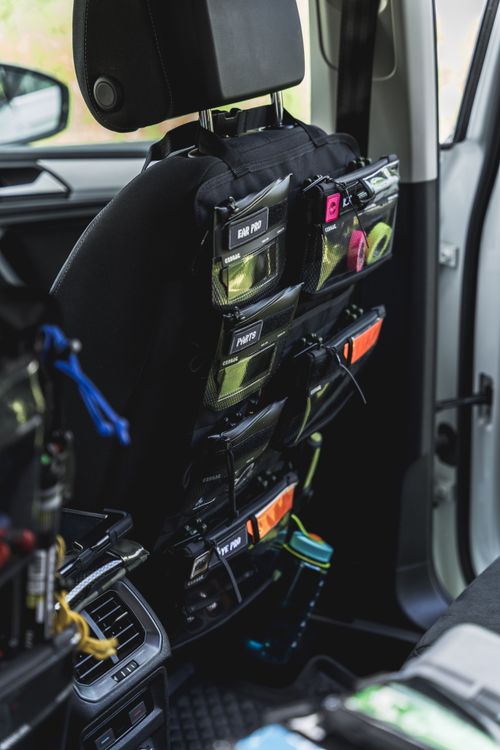
Use vertical seatback space to move travel essentials away from cushions and footwells. A defined passenger zone keeps smaller belongings grouped while preserving more usable seating space.

  • Seatback Organizers
  • Neck Pillows
  • Seat Cushions
Zone 03 / Flexible Cargo

Cargo Area

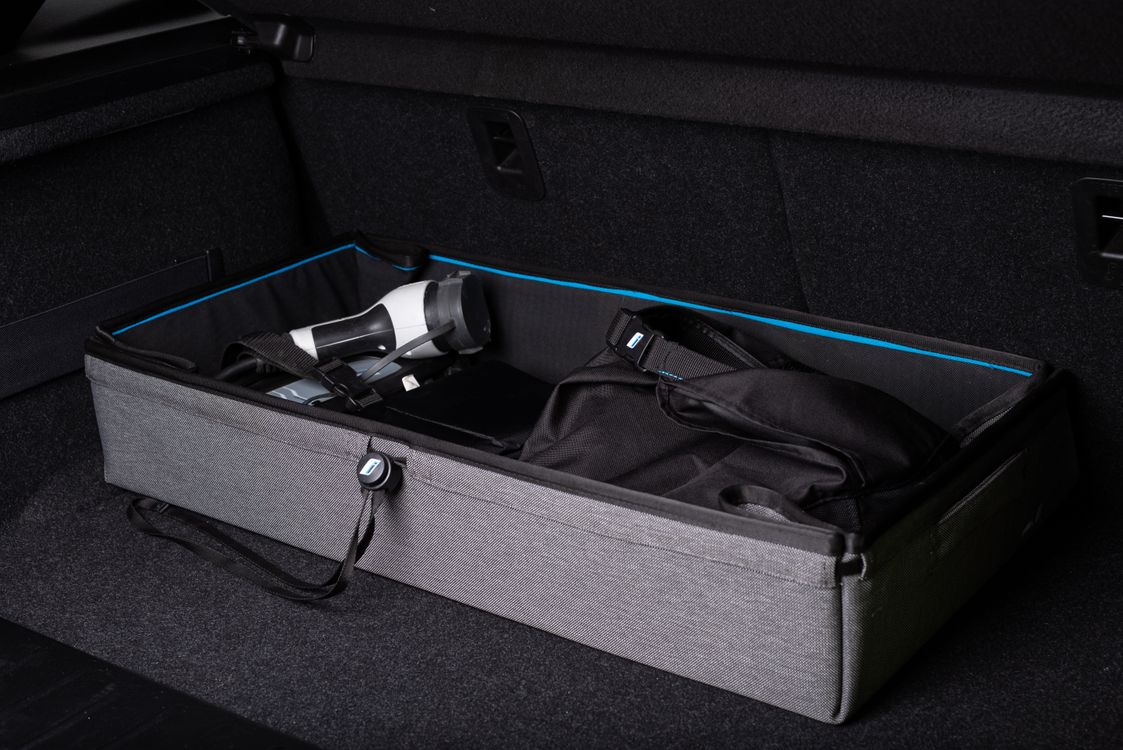
Larger items belong in the rear where a structured organizer can separate cleaning gear, travel items, emergency basics, shopping bags, and everyday cargo into clear categories.

  • Trunk Organizers
  • Vacuum & Air Duster 2-in-1
  • Everyday Travel Gear
Cargo Discipline

Structure the Trunk

The cargo area often becomes the default destination for everything that does not have a permanent place. A more useful setup separates regular-use items from occasional equipment, making it easier to load groceries, luggage, work gear, or daily purchases without rebuilding the trunk every time.

Keep categories simple. One area for vehicle care, one for everyday utility, and one flexible section for temporary cargo is usually easier to maintain than a large number of small categories.

  • Separate frequently used essentials
  • Keep cleaning equipment together
  • Leave open room for temporary cargo
  • Reset the area after unloading
Organized vehicle trunk with structured storage and travel gear
Cargo Organization Full Image / No Crop
Core Organization Tools

Essentials by Function

Build around the problem you want to solve: loose cargo, overfilled seat pockets, inaccessible charging, cabin debris, or small objects disappearing between seats.

01 / CARGO

Trunk Organizers

Create defined sections for travel gear, cleaning supplies, shopping items, vehicle accessories, and everyday equipment while preserving flexible cargo space.

Best for rear cargo control
02 / PASSENGER

Seatback Organizers

Use otherwise empty vertical space behind the front seats to group passenger essentials without allowing smaller items to collect on cushions or the floor.

Best for accessible backseat storage
03 / FRONT CABIN

Seat Gap Organizers

Turn the narrow area beside the front seat into a more deliberate location for compact daily items while helping reduce objects slipping into difficult-to-reach gaps.

Best for small daily essentials
04 / CLEANING

Vacuum & Air Duster 2-in-1

Keep a compact cleaning tool with the vehicle so debris can be handled before it becomes part of the cabin. Store it with other maintenance essentials rather than leaving it loose.

Best for quick interior resets
05 / DEVICE ACCESS

Phone Mounts

Give the phone a consistent position rather than moving it between cup holders, seats, console surfaces, and storage pockets throughout the day.

Best for a defined device location
06 / POWER

Car Chargers

Build charging into the organization system by keeping power access consistent and managing cables so they remain easy to use without becoming another source of cabin clutter.

Best for everyday connected driving
Build a System

Pair Products Intentionally

Organization works better when products solve adjacent problems. Pair storage and utility pieces by location instead of adding unrelated accessories throughout the interior.

01

Front Cabin Pair

Combine a phone mount with a car charger so the device has one predictable viewing location and one predictable source of power. Keep excess cable length controlled and away from moving controls.

Phone Mounts + Car Chargers
02

Small-Item Pair

Add a seat gap organizer when compact objects regularly migrate across the console area or disappear beside the seat. Keep only a small set of genuinely useful daily items there.

Gap Organizer + Daily Essentials
03

Passenger Pair

Use a seatback organizer for passenger items and keep comfort accessories such as neck pillows or seat cushions separate so storage never competes with seating comfort.

Seatback Organizer + Comfort
04

Cargo Care Pair

Store a compact vacuum and air duster inside or beside a trunk organizer so interior cleaning equipment remains contained, easy to retrieve, and simple to return after each use.

Trunk Organizer + 2-in-1 Cleaner
Organized vehicle backseat with structured travel storage
Backseat Utility Full Image / No Crop
Passenger Space

Use Vertical Space

The back of a front seat provides useful storage territory without consuming the seating surface itself. Seatback storage is especially useful when passengers regularly carry small personal items, travel accessories, charging gear, or frequently reached essentials.

Keep the arrangement light. The best backseat setup makes the cabin easier to use while maintaining comfortable legroom and a visually calm interior.

  • Keep seat surfaces clear
  • Group passenger essentials
  • Reserve floor space for feet
  • Remove unused items regularly
Real-World Use

Organize for the Drive

A vehicle should not be organized the same way for every owner. Start with the pattern of driving that happens most often, then assign space around that routine.

01

Daily Commute

Keep the front cabin intentionally light. Device access, charging, sunglasses, access cards, and a small number of daily essentials should have repeatable locations.

Focus: speed, simplicity, repeatability
02

Family Travel

Shift small passenger items into organized seatback storage and keep comfort accessories easy to reach without filling seats, door pockets, and footwells.

Focus: passenger access and clear seating
03

Weekend Trips

Preserve flexible cargo room while creating a stable home for vehicle essentials, cleaning tools, smaller bags, and items that should remain separate from luggage.

Focus: flexible trunk capacity
04

Workday Utility

Separate personal belongings from work-related accessories so the cabin can transition cleanly between professional use, commuting, and personal driving.

Focus: separation and fast resets
Five-Minute Method

Reset the Interior

Organization stays useful when returning the vehicle to order is quick enough to become routine. A short reset prevents small objects from slowly taking over every available surface.

  1. Remove What Does Not Belong

    Take out receipts, empty packaging, temporary shopping items, clothing, bottles, and anything that entered the vehicle only for a specific trip.

  2. Return Daily Essentials

    Put charging accessories, small personal items, passenger gear, and vehicle-care tools back into their assigned locations instead of leaving them where they were last used.

  3. Clear Seats and Footwells

    Keep seating and foot areas free from stored objects. These spaces should remain available for people rather than acting as temporary storage shelves.

  4. Check the Cargo Area

    Consolidate loose items into the trunk organizer and remove anything that no longer needs to travel with the vehicle. Leave some flexible room for the next load.

  5. Finish with a Quick Clean

    Handle visible crumbs, dust, and small debris while the cabin is already being reset. Keeping a compact vacuum and air duster stored with vehicle-care essentials makes this step easier to repeat.

Before Choosing

Check Fit and Placement

Interior layouts vary between vehicles. Measure the intended area, consider seat movement and passenger space, and choose a location that remains practical after the organizer is loaded.

01

Measure the Space

Check the usable width, height, and depth of the intended storage area. For seatback solutions, also consider the space passengers need when seated normally.

02

Check Movement

Make sure seats can still adjust as required and that stored objects do not interfere with normal access, controls, pedals, seat belts, doors, or visibility.

03

Test the Loaded Setup

Evaluate the organizer after adding the items you actually plan to carry. A storage solution that works while empty may feel very different once fully loaded.

Maintenance

Keep the System Light

More storage should not automatically mean carrying more objects. Review what stays in the vehicle and remove items that are no longer useful to the current driving routine.

  • Empty Temporary Items Remove purchases, packaging, paperwork, and trip-specific items after they are no longer needed.
  • Reassess Each Zone If one organizer is consistently overfilled, the category may be too broad or the storage location may be wrong.
  • Keep Surfaces Accessible Avoid building storage systems that make routine interior cleaning unnecessarily difficult.
  • Maintain Flexible Capacity Leave room for unexpected cargo rather than filling every compartment and every available surface.
Velaroam Approach

Five Organization Principles

A refined vehicle interior is less about adding accessories and more about creating consistent relationships between objects, spaces, and daily habits.

01

Store by Use

Keep items closest to the place where they are normally used.

02

Limit Duplicates

Carry only what adds practical value to the regular driving routine.

03

Protect Space

Seating, footwells, and visibility should remain clear and usable.

04

Reset Often

Frequent small resets are easier than occasional full cleanouts.

05

Stay Flexible

Keep enough open capacity for changing passengers, cargo, and travel needs.

Common Questions

Organization FAQ

Quick guidance for creating a cleaner, more functional vehicle interior without overcomplicating the setup.

Where should I start when organizing my vehicle?

Begin with the items already inside the vehicle. Remove anything that does not need to stay, then group what remains into front-cabin, passenger, and cargo categories. Add organizers only after you understand which group actually needs a dedicated storage location.

What belongs in the front cabin?

Keep the front area focused on compact items you use during or immediately before and after driving. Device mounting, charging, access cards, sunglasses, and a small number of personal essentials are common examples. Avoid turning the console into general storage.

How can I keep the backseat from becoming cluttered?

Move suitable small items from the seating surface and footwell into seatback storage, then remove anything that is not regularly used by passengers. Keeping categories simple makes the setup easier to maintain.

What is the best way to organize the trunk?

Separate permanent vehicle essentials from temporary cargo. Use a trunk organizer for recurring categories such as cleaning supplies, travel accessories, or utility items, but leave enough open space for groceries, luggage, and changing daily needs.

How often should I reset the interior?

A brief reset whenever clutter begins to accumulate is often more practical than waiting for a major cleanout. Removing temporary items and returning essentials to their assigned locations can usually be handled in a few minutes.

How do I prevent organizers from becoming cluttered?

Avoid treating empty compartments as invitations to carry more. Assign each section a clear purpose, review its contents regularly, and remove objects that have not been useful during recent driving.

Should every storage space in the vehicle be filled?

No. Open capacity is valuable because passenger needs, shopping loads, travel gear, and everyday cargo change. Leaving some areas intentionally empty makes the vehicle more adaptable.

What should I check before choosing an organizer?

Measure the intended area, consider how seats and passengers move around it, and think about the size and weight of the objects you plan to store. Always follow the specific product instructions and vehicle guidance applicable to your setup.

Velaroam Support

Need Product Help?

Our customer support team is available 24/7. If you need help with an order, product information, delivery, returns, or exchanges, reach out through the Velaroam contact page.